Vibe Coding: Pros, Cons, and Its Impact on AI & Full Stack Development
Welcome to the exciting realm of vibe coding! 🎉 As the tech landscape evolves at lightning speed, so too does our approach to writing code. Vibe coding embodies a new methodology that appeals to those involved in AI, data science, and full stack web development. But what exactly is vibe coding? Is it just another trendy buzzword, or is it a genuine shift in the programming paradigm? Let's dive in!
🗂️ Table of Contents
- What Is Vibe Coding?
- Why Are Developers Embracing It?
- Vibe Coding in AI and Data Science
- How It Impacts Web and Full Stack Development
- Pros and Cons of Vibe Coding
- Is Vibe Coding Here to Stay?
- How to Start Vibe Coding the Right Way
🤔 What Is Vibe Coding?
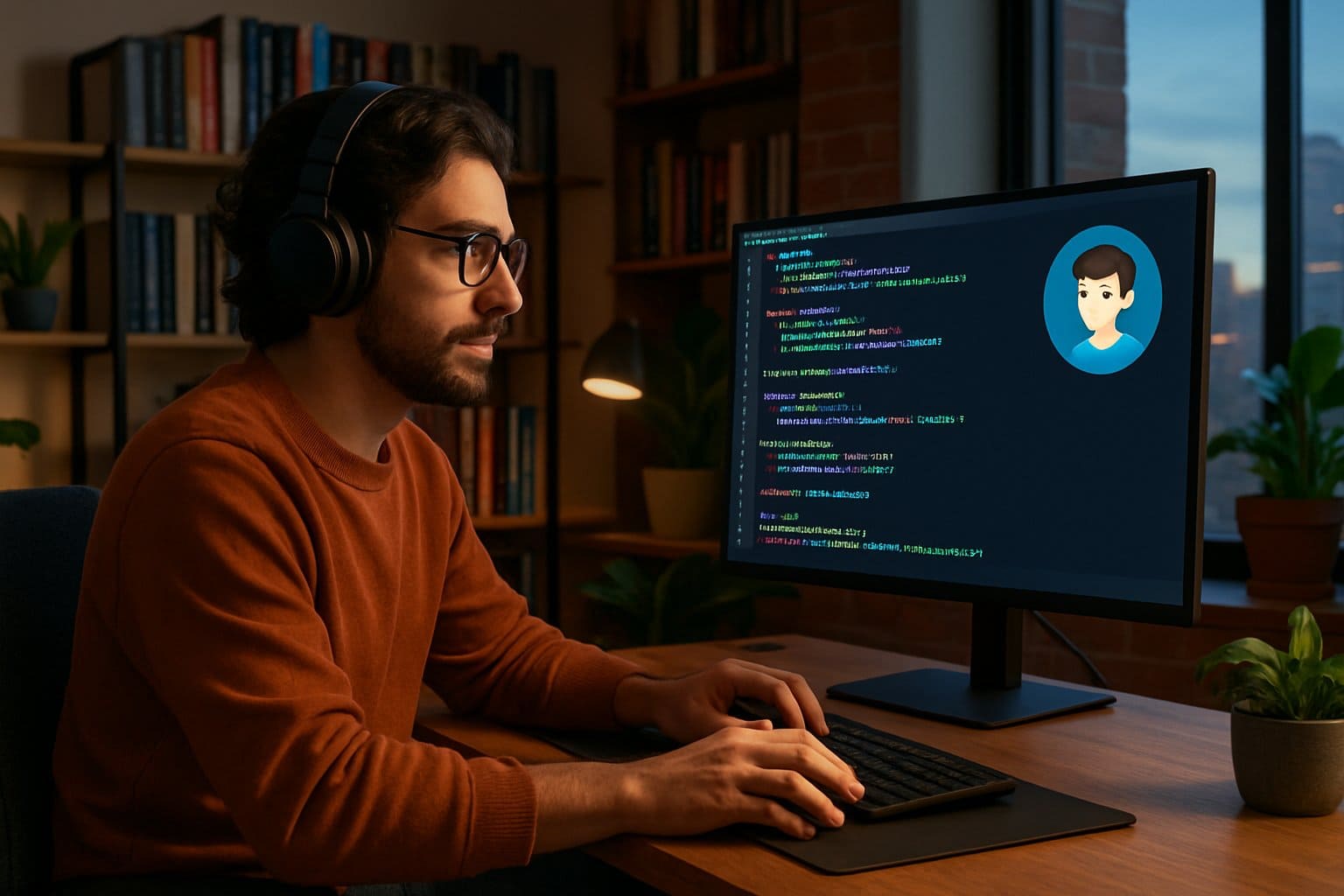
Vibe coding is the art of coding by feeling rather than rigid structure. Think of it as programming based on intuition and creativity rather than following a strict to-do list. When you're in the zone, inspired, and ready to bring ideas to life, that’s vibe coding in action! 💻✨
This method often includes:
- Writing code based on your instincts or experiences.
- Freely using modern tools like ChatGPT, Copilot, and Stack Overflow.
- Skipping over-planning or overly rigid architectures in the initial phases.
🚀 Why Are Developers Embracing It?
In a world filled with complex workflows and tedious documentation, vibe coding allows many developers to reconnect with their creative roots. Here’s why it's gaining traction:
- Quick Prototyping: Craft MVPs (Minimum Viable Products) at breakneck speed! 🏃♂️
- Creative Freedom: Explore new frameworks and languages without the fear of failure.
- Mental Refreshment: Embrace a pressure-free coding environment that emphasizes personal satisfaction.
Startups and personal projects especially thrive on this methodology where speed and innovation take precedence over polished perfection.
🤖 Vibe Coding in AI and Data Science
In the fast-paced fields of AI and data science, vibe coding naturally flourishes:
- Models undergo constant testing and retraining.
- Datasets are dynamic and ever-evolving.
- Solutions often emerge through trial and error.
Instead of laboring for weeks over the “perfect” pipeline, a vibe coder might quickly whip up a data-cleaning script, leverage a pre-trained model from Hugging Face, and go from there. This streamlined approach encourages efficient discovery while helping to dodge the dreaded analysis paralysis! 💡
🌐 How It Impacts Web and Full Stack Development
When it comes to full stack development, vibe coding shows up as developers:
- Rapidly spin up backend APIs using tools like FastAPI or Express.js.
- Utilize no-code tools for easy frontend mockups.
- Integrate third-party services such as Firebase or Supabase in record time.
Rather than laying out every single layer of a website upfront, vibe coders prefer to build on-the-fly, fixing and adjusting as they go. This isn’t about sloppiness; it’s about maintaining momentum and leveraging creativity!
✅ Pros and Cons of Vibe Coding
| Pros | Cons | |-----------------------------------------|--------------------------------------------| | Boosts creativity and flow | Risk of messy or hard-to-maintain code | | Speeds up prototyping | Might skip critical steps like testing | | Reduces overthinking | Can lead to poor scalability | | Encourages learning by doing | Lack of documentation and clarity |
Finding the right balance is crucial! While vibe coding is fantastic when speed and creativity are key, you might want to ditch the vibe for more critical systems where structure is paramount (like those for banks or healthcare)! 🏦
🔮 Is Vibe Coding Here to Stay?
Yes, but it won't replace traditional programming. Vibe coding will continue to complement structured approaches, particularly in:
- Early product development stages.
- Learning environments.
- Fast-moving sectors, particularly AI!
With AI tools like Copilot, ChatGPT, and Replit becoming more advanced, more developers might find themselves vibe coding without even noticing it. These tools fill gaps, correct syntax, and keep you flowing! 🎊
🛠️ How to Start Vibe Coding the Right Way
If you're curious about vibe coding, here are some tips to get you started:
- Use tools like VS Code, Copilot, and ChatGPT for assistance.
- Don’t shy away from mistakes; see them as stepping stones.
- Work on personal projects or side gigs where you can explore unreservedly.
- Once you’ve got your base, take the time to refactor, test, and document your code to tidy things up.
📋 Summary
Vibe coding is all about flow, instinct, and creative energy in the programming landscape. It’s driving a shift in how developers, especially in AI, data science, and full stack development, approach their craft. While it's not suitable for every scenario, when used judiciously, vibe coding has the potential to create faster, more enjoyable coding experiences and innovative results.
❓ FAQ
1. Is vibe coding good for beginners?
Absolutely! It fosters exploration and minimizes fear of mistakes. Just remember to learn and adapt continuously!
2. Is vibe coding bad practice?
Not inherently. It may not be suited for high-stakes projects; however, it shines during initial development phases, learning, and innovative undertakings.
3. Can I vibe code using ChatGPT or AI tools?
Yes! Tools like ChatGPT can enhance your flow by serving up suggestions, correcting bugs, or clarifying concepts.
4. How do I transition from vibe coding to professional-quality code?
Begin with vibe coding to fast-track a project, then refine your work into a structured, documented, and tested product before launch.