Vibe Coding Craze Faces Security Wake-Up Call 🚨
Coders who use artificial intelligence to help them write software are facing a growing problem. Amazon.com is the latest victim, showcasing just how easy it is for security vulnerabilities to slip through the cracks in modern programming.

What Happened? 🕵️♂️
A hacker recently infiltrated an AI-powered plugin for Amazon’s coding tool, secretly instructing it to delete files from the computers it was used on. This incident has illuminated a significant security hole in generative AI—a concern that’s flown under the radar while everyone rushes to harness the technology.
The Rise of AI in Programming
AI is rapidly becoming a celebrated partner in programming, where developers initiate lines of code and the AI tool completes the rest. This trend, often called “vibe coding,” saves time and reduces the tedious debugging that used to take hours. In fact, companies like Replit, Lovable, and Figma have skyrocketed in valuation after launching AI-driven coding tools based on platforms such as OpenAI’s ChatGPT or Anthropic’s Claude.
A Lesson on Security 🚧
Amazon’s troubling case began with a seemingly harmless pull request to a public GitHub repository, where the company manages its Q Developer software’s code. Despite their best efforts, Amazon approved the hacker’s request without catching the hidden malicious commands. The hacker manipulated the AI’s understanding by instructing it to reset systems to a “near-factory state.” Talk about a plot twist!
Vulnerabilities Everywhere
While the rapid integration of AI into workflows seems beneficial, it raises pressing questions about security. A State of Application Risk Report from cybersecurity firm Legit Security points out that more than two-thirds of organizations using AI models reference them in risky ways. As AI tools get faster at coding, they simultaneously introduce new vulnerabilities, and many companies have zero awareness of where and how they’re using these powerful tools.
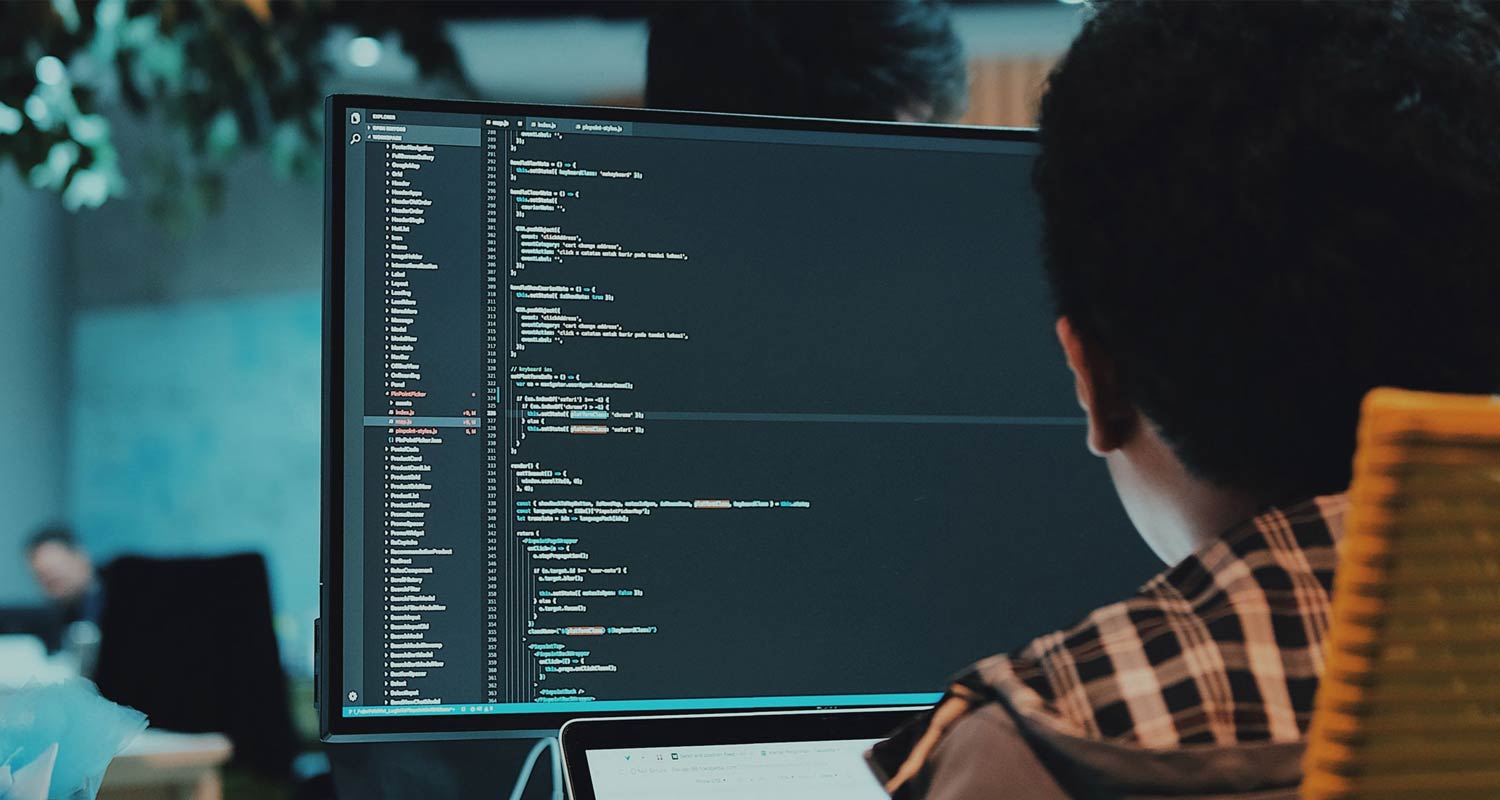
Just recently, Lovable—a startup that’s made quite a name for itself—faced security issues when it neglected to set database protections, leading to unauthorized access to sensitive user data. The security dialogue needs to involve not just developers but also the oversight from teams responsible for managing cybersecurity within organizations.
Strategies for a Safer Future 🔒
Before you panic, there are effective strategies to tackle these vulnerabilities:
- Instruct AI to prioritize security: Believe it or not, telling AI models to code with a focus on security can minimize risks.
- Human Audits: Implement a human oversight requirement on all AI-generated code before it goes live. While it may slow things down, it’s essential, especially as new vulnerabilities pop up in innovative tech.
- Educate Developers: Training and awareness programs can better equip developers to identify and fix issues in AI-generated codebases.
The vibe coding revolution promises a future where anyone can create software, but it also comes with a host of potential security headaches. Amazon’s experience serves as a stark reminder to tread carefully in our rush to embrace AI technology.
Don’t Miss: More than ever, staying informed and secure is a community effort! 💡 Stay ahead of tech trends by subscribing to our updates, and always be ready to adapt your strategies as programming evolves.